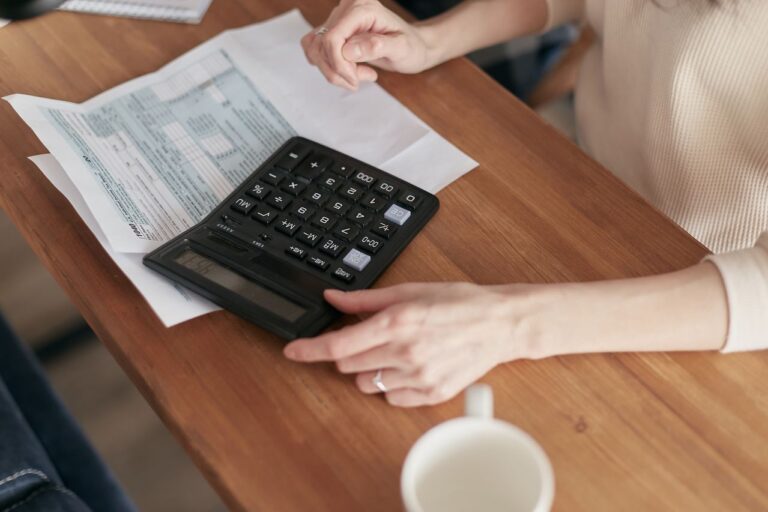

Start Your Tax Year Strong: Set up Your Freelancer Toolkit
Tax planning in Horsham as a freelancer does not need to be stressful. The tax year starts on 6 April, which means by May you have plenty of time to get organised instead of rushing to sort everything out in January. A calm start now can save a lot of worry later, especially when cash flow is up and down.
The aim is simple: know what is coming, keep your paperwork tidy, and make tax-saving a normal habit. A few small steps at the start of the year give you a clear view of your income, your costs, and how much to keep back for tax.
A basic freelancer finance toolkit can include:
- A separate business bank account for all freelance income and expenses
- Simple cloud bookkeeping software to track money in and out
- A digital folder or app for receipts, invoices, and mileage records
- A calendar with key tax dates and reminders
Once these pieces are set up, keeping them going becomes much easier. As a Horsham-based practice, we see local freelancers face the same cash flow ups and downs each year, so we know how important it is to get the basics working smoothly from the start.
Your Year-Round Tax Planning Calendar at a Glance
Your tax year runs from 6 April to 5 April. For most freelancers who file a Self Assessment return, the main dates are the 31 January filing and payment deadline, and the 31 July payment on account date if that applies to you. If you are VAT registered or in the Construction Industry Scheme, you will also have monthly or quarterly dates to keep an eye on.
It helps to think of tax planning in two layers. First, there are the simple monthly habits that keep things tidy. Second, there are quarterly check-ins where you step back, look at the bigger picture, and adjust if needed.
One way to make this feel realistic is to split your time into two types of weeks:
- A “planning week” where you do your money admin and follow your checklist
- A “real life” review week where you look at what actually happened and tweak your plan
By repeating this pattern, tax planning becomes part of your normal routine, not a last-minute panic.
Monthly Habits That Keep Your Tax Bill Manageable
A helpful habit is to move a set percentage of every payment you receive into a separate tax pot account. Many freelancers pick around 20 to 30 percent, but the right number depends on your income level and how many expenses you can claim. The point is to treat this money as already gone so the January bill does not come as a shock.
A simple monthly routine could look like this:
- Reconcile bank transactions in your bookkeeping software
- Log all expenses and upload receipts, including small ones
- Check unpaid invoices and send friendly reminders
- Update mileage, home office records, and any regular costs
Choose one evening each month as your “money admin night”. Put on a cup of tea, sit down for an hour, and clear the list. Many people pick the same date each month so it becomes automatic. When records are updated monthly, it is far easier for your accountant to prepare year-end accounts without delays or missing information.
Quarterly Checkpoints That Protect Your Cash Flow
Every three months, set time aside for a deeper look at how your freelance business is doing. This is where you can spot problems early and adjust your tax savings before they become stressful.
Your quarterly checklist might include:
- Total profit so far and how it compares with last year
- A current estimate of your tax bill and payments on account
- How close you are to the VAT registration threshold if that is relevant
- Whether your tax savings percentage needs to go up or down
Each quarter has its own feel for many Horsham freelancers. Spring often works well for a post-year-end tidy-up and planning session. Summer can be a time to prepare for the 31 July payment on account and any quieter weeks. Autumn is good for checking your pipeline before the year-end rush. Winter is when you usually want your tax return ready and your numbers clear.
With planned reviews, you can decide when to make larger business purchases or invest in training so that it suits both your cash flow and your tax position.
Real Life Week: A Horsham Freelancer’s Year Mapped Out
Think of a typical web designer working from home near Horsham town centre. In January, that person is dealing with the last tax bill while starting new projects. Because they have been setting aside tax each month, the payment in January is expected instead of a nasty surprise.
By May, after the new tax year has started, they use one planning week to set up their toolkit, check their bookkeeping, and review work booked for the next few months. On a real life review week, they might notice that one client pays slowly, so they change their payment terms to protect cash flow.
In August, work might be quieter, which can feel worrying. Regular monthly money admin helps them see that they still have enough set aside for tax and that they might use this time for marketing or training. By October, they are looking at the autumn quarter, checking how busy the run-up to the festive period might be and whether they need to adjust their tax savings pot.
Throughout the year, working with a local practice gives them support to refine how much they save for tax, decide which costs to claim, and think carefully about when, or if, moving from sole trader to a limited company structure might suit their situation.
Key Dates You Cannot Afford to Miss This Year
Some dates come around every year and are easy to forget until it is too late. Marking them clearly in your calendar is one of the simplest steps you can take.
Key dates for many freelancers include:
- 5 April: end of the tax year
- 5 October: deadline to register for Self Assessment if you are newly self-employed
- 31 January: deadline to file your tax return and pay balancing tax due
- 31 July: payment on account date for those who have to make them
- Your VAT quarter dates if you are VAT registered
Missing a deadline can lead to interest, penalties and pressure on your cash flow. A basic reminder system, such as phone alerts, email notes or planned check-ins with your accountant, can prevent most of these problems. At the start of each quarter, take two minutes to scan your list of dates and make sure you know what is coming next and whether it applies to you.
Turn Your Timeline Into Action with Local Expert Support
When you spread tax planning tasks across the year, everything feels lighter. Monthly habits keep records tidy, quarterly reviews give you a clear view of your business, and the main annual deadlines become checkpoints instead of emergencies. Tax planning in Horsham then fits naturally around your work and home life.
We see that freelancers who work this way tend to feel calmer about money and more in control of their decisions. Blocking out the next 12 months in a calendar, setting up your toolkit, and alternating planning weeks with real life review weeks can quickly turn into a steady, confident routine.
Take Control Of Your Tax Position With Local Expertise
If you are ready to make your finances work harder for you, we are here to help you put practical strategies in place. At NFH Accountancy, our tailored tax planning in Horsham service is designed to minimise your liabilities while keeping you fully compliant. Speak to our team today to discuss your goals, and we will outline clear next steps that suit your situation. To arrange a no-obligation conversation, simply contact us.