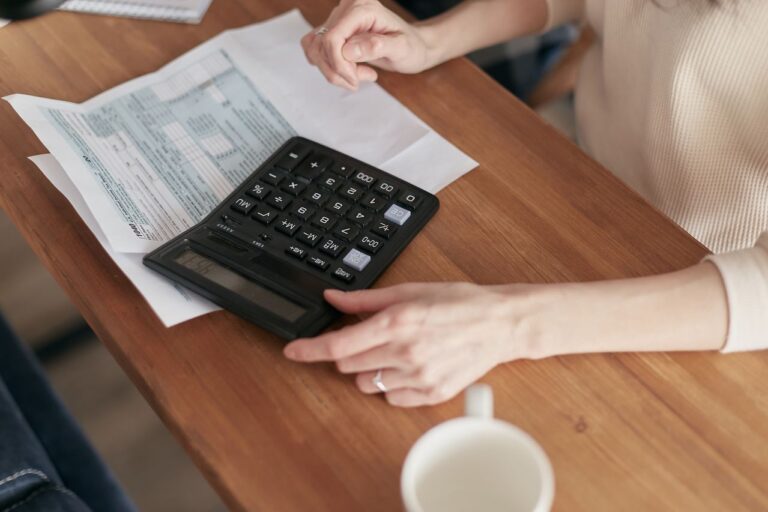

Why Sorting VAT Early Saves Horsham Businesses’ Stress
VAT registration feels like one of those jobs you want to push to the bottom of the list. The new tax year has started, warmer weather is on the way, and many Horsham businesses are getting ready for a busier spell. It is exactly at this point that VAT can quietly creep up and cause trouble if it is not under control.
VAT registration is simply the point where your business starts charging VAT on sales and reporting it to HMRC. It matters when your turnover grows, when you want to look more established, or when bigger clients expect to deal with VAT-registered suppliers. Getting this sorted early means you stay in control, instead of rushing forms and guessing figures later.
A local accountant can turn VAT from a worry into a clear plan. Instead of spending evenings trying to understand HMRC guidance, you have a simple, step-by-step process that fits around real life and real trading patterns.
Knowing When You Actually Need to Register for VAT
One of the trickiest parts is knowing exactly when VAT registration is needed. The compulsory VAT threshold is checked on a rolling 12-month basis, not just by tax year. That means you look at your last 12 months at any point, add up your VAT taxable sales, and see if they pass the limit.
For many small businesses, this creeps up quietly. For example, you might be:
- An online seller whose orders have slowly grown month after month
- A local tradesperson who has taken on a couple of larger contracts
- A consultant who has added one regular retainer client
Each on its own may not seem huge, but together they can push you over the threshold without you realising.
An accountant will usually keep an eye on your turnover using cloud accounting software. By linking to your bank feeds and invoices, the system can show how close you are getting. You then get a heads up in good time, not a shock.
The right registration choice is not the same for everyone. Proper VAT registration help looks at:
- Who your customers are, for example mainly businesses or mainly the public
- Your pricing and profit margins
- How quickly your invoices are paid
- Any big contracts or projects coming up
From there, you can decide together whether compulsory registration has already been triggered, whether voluntary registration might help your image or cash flow, or whether it makes sense to hold off as long as possible.
Turning Forms and Jargon Into a Clear, Simple Process
HMRC’s VAT registration form can look long and full of jargon. In practice, there are a few main steps. When these are planned properly the whole thing feels less stressful.
First, you need to gather the right details. This often includes:
- Business structure, for example sole trader, partnership, limited company
- Trading start date and main business activities
- Business address and contact details
- Historic turnover and expected future sales
An accountant will usually list these in advance so you are not hunting through old emails and paperwork.
Next comes choosing the right VAT scheme. There are different ways to account for VAT, and the best option can depend on your size, sector and how your customers pay. Your accountant will explain the pros and cons in plain English, not technical language.
They will also explain key points like:
- Your VAT registration date and what that means for past invoices
- When your first VAT return will be due
- How often you need to file and pay
- What records you must keep and for how long
Once the registration is in progress, your cloud accounts can be set up correctly from day one. This usually means:
- Switching on VAT within the software
- Choosing the right VAT codes for different sales and costs
- Linking bank feeds so nothing is missed
- Making sure VAT is shown properly on invoices
When this groundwork is done early, later VAT returns feel far more like a quick tidy-up than a full investigation.
Staying Compliant Once You Are VAT Registered
Registration is only the start. Once VAT is part of your business, it has to be part of your regular routine. An accountant will help you build simple habits so compliance feels natural.
This often includes:
- Clear ways to capture receipts and invoices, for example with photos and apps
- Standard invoice templates that include all VAT details needed
- Monthly checks of bank feeds and customer balances
- A quick review of your numbers before every VAT return is filed
Your VAT scheme should also be reviewed from time to time. As your business grows or becomes more seasonal, the most suitable scheme can change. Regular conversations mean you are not stuck on an option that no longer fits how you trade.
Making Tax Digital adds another layer. You must keep digital records and submit VAT returns using compatible software. A good accountant will keep your systems up to date, check that your software settings still match HMRC rules, and flag any changes that might affect how you invoice or record costs.
Take the First Step to Hassle-Free VAT Registration
If you are close to the VAT threshold, are unsure where your turnover stands, or have a feeling you might already have passed the limit, now is the time to get clear advice. Sorting VAT before things get busier means fewer surprises and a smoother trading season.
At NFH Accountancy in Horsham, we start with a calm review of your current figures, your pricing and your bookkeeping system. From there, we set out your options in plain language and build a simple plan for VAT registration and ongoing returns that fits how you work, not the other way round.
Get Expert Support To Avoid Costly VAT Mistakes
If you are unsure about your VAT position or worried about making errors, we can review your situation and guide you through each step. Our team at NFH Accountancy offers practical, clear VAT registration help tailored to how your business actually works. Let us handle the details so you can stay compliant and focus on running your business. To arrange a no-obligation discussion about your VAT needs, simply contact us today.